• Saint-Émilion · Pomerol · Margaux

  • Millésimes Exceptionnels

  • Livraison Internationale

  • Grand Cru Classé

Château Lumière · 1847–Present

Le vin, c'est la terre qui parle.

Wine is the earth speaking. — Édouard de Lumière, 1847

There are wineries that produce wine, and there are estates that tell a story. Château Lumière belongs to the second category — a family property where each bottle is the culmination of a lineage, a philosophy, and a particular patch of earth that has been understood, tended, and loved for nearly two centuries.

This is not a story of overnight success or calculated branding. It is a story of patience — of vines that take thirty years to reach their potential, of vintages that require a decade of cellar time before they reveal themselves, and of a family that has always been willing to wait.

Five Generations

The de Lumière family

1847

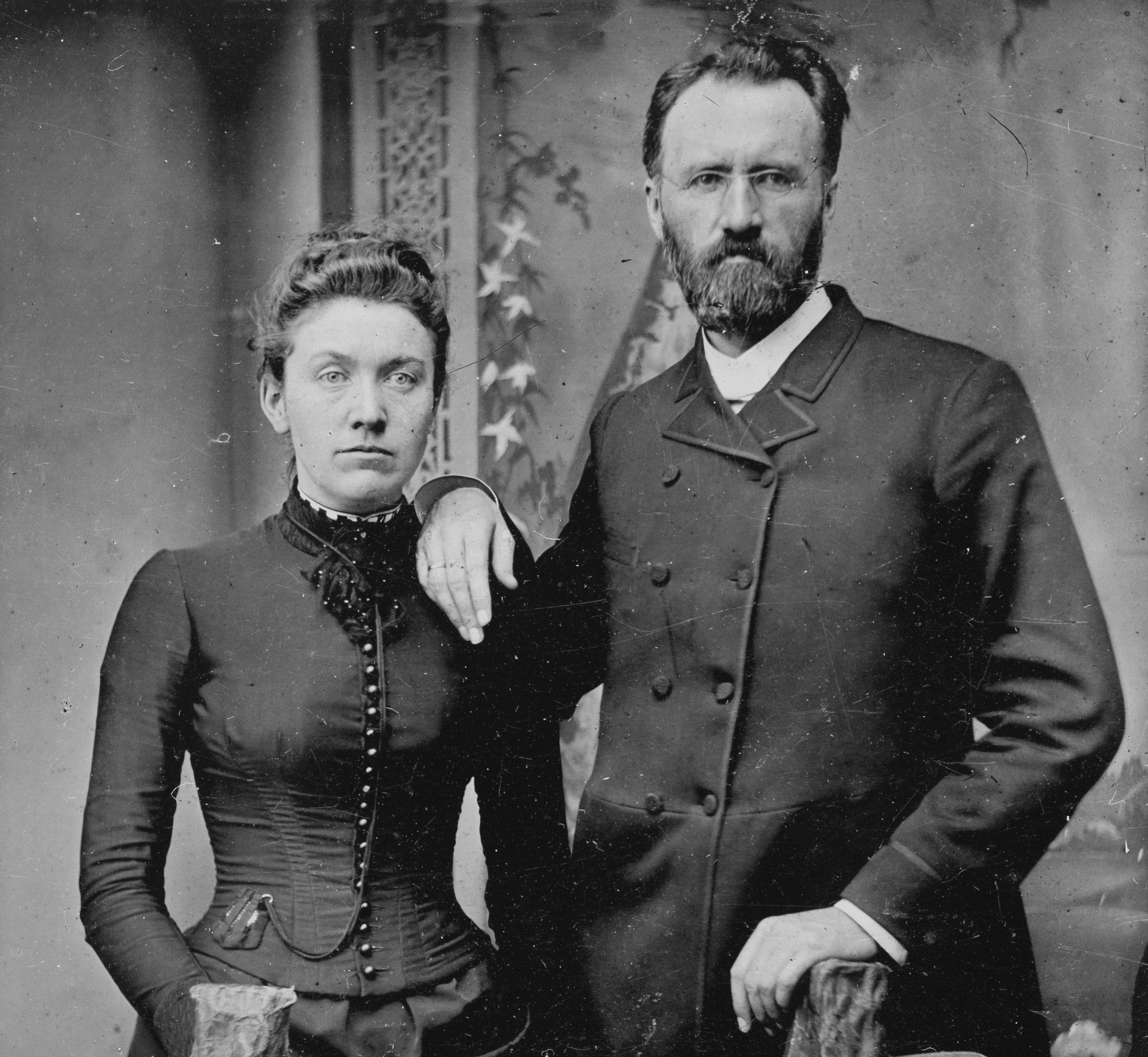
Édouard de Lumière

A former agronomist and passionate student of Bordeaux's soil, Édouard de Lumière purchased 12 hectares of neglected argilo-calcaire land in the hills above Saint-Émilion. He believed what his contemporaries doubted: that this particular combination of clay, limestone, and southeast exposure would produce wines of extraordinary character. He was right.

1847

Édouard de Lumière

A former agronomist and passionate student of Bordeaux's soil, Édouard de Lumière purchased 12 hectares of neglected argilo-calcaire land in the hills above Saint-Émilion. He believed what his contemporaries doubted: that this particular combination of clay, limestone, and southeast exposure would produce wines of extraordinary character. He was right.

1883

Henri de Lumière

Henri inherited the estate in the shadow of phylloxera — the aphid that devastated European vineyards in the 1870s. While many neighbours abandoned their land, Henri replanted methodically, grafting Merlot onto resistant American rootstock. The decision to make Merlot the estate's cornerstone grape, unusual at the time, would define Château Lumière's character for the next century.

1883

Henri de Lumière

Henri inherited the estate in the shadow of phylloxera — the aphid that devastated European vineyards in the 1870s. While many neighbours abandoned their land, Henri replanted methodically, grafting Merlot onto resistant American rootstock. The decision to make Merlot the estate's cornerstone grape, unusual at the time, would define Château Lumière's character for the next century.

1921

Marguerite & Gaston de Lumière

Marguerite was the first woman to manage the estate — and the first to see beyond France. She negotiated the château's initial export contract with a London merchant in 1924, a relationship that endures to this day. Her husband Gaston managed the vines through two world wars; he famously buried the estate's finest bottles in the cellar floor in 1940, recovering them undamaged in 1945.

1921

Marguerite & Gaston de Lumière

Marguerite was the first woman to manage the estate — and the first to see beyond France. She negotiated the château's initial export contract with a London merchant in 1924, a relationship that endures to this day. Her husband Gaston managed the vines through two world wars; he famously buried the estate's finest bottles in the cellar floor in 1940, recovering them undamaged in 1945.

1962

Jean-Pierre de Lumière

Jean-Pierre studied oenology in Bordeaux and returned with ideas that alarmed his father: temperature-controlled fermentation tanks, earlier harvesting to preserve freshness, and a radical reduction in yields. The 1975 vintage — his first as head winemaker — received the estate's inaugural mention in the American wine press. By 1990, Parker had awarded his 1986 Réserve 97 points.

1962

Jean-Pierre de Lumière

Jean-Pierre studied oenology in Bordeaux and returned with ideas that alarmed his father: temperature-controlled fermentation tanks, earlier harvesting to preserve freshness, and a radical reduction in yields. The 1975 vintage — his first as head winemaker — received the estate's inaugural mention in the American wine press. By 1990, Parker had awarded his 1986 Réserve 97 points.

2004

Isabelle de Lumière

Isabelle holds degrees in agronomy and philosophy — a combination her father called impractical, and which she considers essential. In 2009 she began converting the estate to biodynamic farming, working with lunar calendars and cover crops. Critics who expected a loss of concentration were silenced by the 2012 vintage: 98 Parker points. Today, under her direction, Château Lumière produces fewer bottles than ever — and each one is more considered than the last.

2004

Isabelle de Lumière

Isabelle holds degrees in agronomy and philosophy — a combination her father called impractical, and which she considers essential. In 2009 she began converting the estate to biodynamic farming, working with lunar calendars and cover crops. Critics who expected a loss of concentration were silenced by the 2012 vintage: 98 Parker points. Today, under her direction, Château Lumière produces fewer bottles than ever — and each one is more considered than the last.

A man, a hillside,
and an unwavering belief

A man, a hillside,
and an unwavering belief

Édouard de Lumière was thirty-two years old when he purchased the land. He had spent the previous decade studying soil composition across the Gironde and had become convinced that the argilo-calcaire hills above Saint-Émilion were being overlooked — that beneath the neglected scrubland lay the conditions for something extraordinary.

He planted 12 hectares in the spring of 1847. The first harvest came in 1852. His neighbours described the wine as "too dark, too concentrated, too serious." A London merchant described it as "unlike anything produced in the region." Both were right.

Forty-eight hectares
of living memory

Forty-eight hectares
of living memory

The soil at Château Lumière is a precise and unrepeatable accident of geology. Beneath the surface lies a bed of fissured limestone, through which our vines drive their roots in search of water, sometimes reaching four metres deep. It is this struggle — this vertical journey through stone — that creates the tension and minerality in every glass.

The southeast exposure captures morning light and holds warmth into the evening. A slight elevation provides natural drainage and the gift of cool nights, preserving the aromatic precision that is the hallmark of our whites and the freshness that balances the depth of our reds.

Fewer bottles. More intention.

Every bottle is a love letter to the vine.

Every bottle is a love letter to the vine.

Domaine

Château Lumière

23 Route des Vignes

33330 Saint-Émilion, France

+33 (0)5 57 00 00 00

Secure payments

© 2024 Château Lumière · Tous droits réservés

L'abus d'alcool est dangereux pour la santé. À consommer avec modération.

Create a free website with Framer, the website builder loved by startups, designers and agencies.